
Rubber parts are meant to be flexible and soft, but over time, they can harden, crack, or lose their sealing ability. This is a common problem with gaskets, hoses, tires, and weatherstripping. So, how can you keep rubber from hardening?
To prevent rubber from hardening, keep it away from sunlight, ozone, and high heat. Use the right rubber type, apply protective conditioners, clean it regularly, and store it properly.

I have seen rubber parts last much longer with just a few simple care steps and the right material choice.
Why Does Rubber Harden Over Time?
Rubber hardens because of chemical changes caused by heat, UV light, ozone, oxygen, and some chemicals. These break down the soft, elastic bonds in rubber, causing it to stiffen and lose flexibility.
Sunlight (UV), ozone, and high temperatures speed up aging. Oils, greases, and wrong cleaners can also cause rubber to dry out or react, making it hard or brittle.
🛠️ Rubber Hardening Causes Table
| Cause | Effect on Rubber | Symptoms |
|---|---|---|
| Sunlight (UV) | Cracking, hardening | Stiff, cracked surface |
| Ozone | Deep cracks, loss of flex | Brittle edges |
| Heat | Shrinking, hardening | Rigid, deformed parts |
| Oxidation | Stiffening, embrittlement | Loss of elasticity |
| Oils/Chemicals | Swelling or hardening | Discolored, sticky, hard |
| Aging | All of the above | Loss of performance |
Which Rubber Types Resist Hardening?
Some rubbers last much longer than others. I always recommend EPDM1 or silicone for parts exposed to sunlight or ozone, and FKM (Viton®2) or NBR for parts facing oil and fuel.
EPDM and silicone resist weather and ozone best, staying soft outdoors for years. FKM (Viton®) and NBR resist hardening from oil and fuel exposure. Natural rubber and SBR are most likely to harden outdoors.

| Rubber Type | Hardening Resistance3 | Best Application4 |
|---|---|---|
| EPDM | Excellent | Outdoor, weather, UV |
| Silicone | Excellent | Heat, cold, weather |
| FKM (Viton®) | Good | Oil, chemical, heat |
| NBR | Good | Oil, fuel |
| Natural Rubber | Poor | Indoor only |
| SBR | Poor | Indoor, general |
What Protective Steps Prevent Hardening?
Regular care and the right storage can keep rubber soft much longer.
Keep rubber clean and dry. Store it in a cool, dark place, away from sunlight and electrical motors (which create ozone). Use rubber conditioners or silicone sprays for extra protection, especially on tires, gaskets, and weatherstripping.
🛠️ Rubber Protection Table
| Protective Step | Benefit |
|---|---|
| UV/ozone protection5 | Reduces cracking/hardening |
| Silicone conditioner6 | Maintains softness |
| Cool, dry storage | Slows aging |
| Regular cleaning | Removes damaging chemicals |
| Avoid oil-based cleaners | Prevents swelling/hardening |
When using a conditioner, always choose one that matches your rubber type. Some products can damage certain rubbers.
How to Store Rubber Parts for Best Results?
Proper storage is critical for keeping rubber soft and flexible.
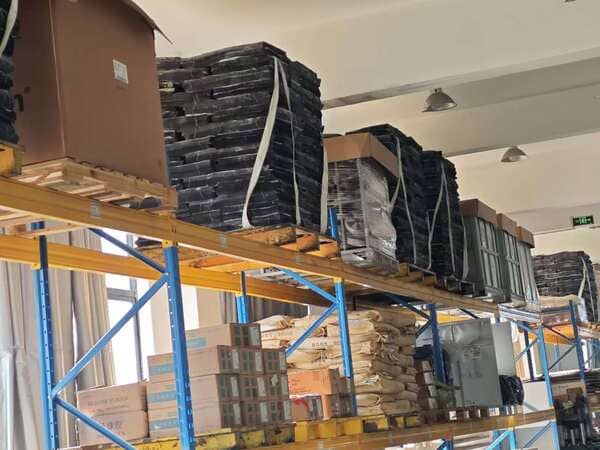
Store rubber at room temperature, in a dark, dry place. Keep it in airtight bags or boxes, away from direct sunlight and ozone sources. Do not stack or crush rubber parts.
🛠️ Storage Guidelines Table
| Storage Factor | Best Practice |
|---|---|
| Temperature7 | 10–25°C (50–77°F) |
| Humidity8 | Below 65% |
| Light | No direct sun, use covers |
| Ozone | Far from motors, equipment |
| Packaging | Airtight bags, no stacking |
What About Coatings or Treatments?
Some parts can be coated with special barriers to keep moisture, air, and sunlight away.
Use silicone spray, wax, or a dedicated rubber protector. For extreme conditions, consider a polyurethane or PTFE (Teflon) coating for industrial parts.
Apply treatments only to clean, dry rubber, and repeat every few months as needed.
My Tips for Keeping Rubber Soft
- Choose the best rubber for your application
- Use UV/ozone protectants9 or conditioners regularly
- Clean rubber gently, avoid harsh cleaners
- Store rubber properly—cool, dry, and dark
- Replace any rubber that shows hardening or cracks early
A little care goes a long way in extending the life and flexibility of rubber products.
Conclusion
Prevent rubber from hardening by protecting it from UV, ozone, and heat. Use proper storage, regular conditioning, and pick the right rubber type for your environment. These steps keep rubber soft and reliable for much longer.
-
Explore the advantages of EPDM rubber, known for its durability against UV and ozone, making it ideal for outdoor applications. ↩
-
Learn about Viton® rubber, renowned for its resistance to oils and fuels, perfect for demanding industrial environments. ↩
-
Understanding Hardening Resistance is crucial for selecting the right rubber type for your application. ↩
-
Exploring the best applications helps ensure you choose the most suitable rubber for your specific needs. ↩
-
Explore this link to understand how UV/ozone protection can significantly extend the life of your rubber products. ↩
-
Discover why using a silicone conditioner is essential for maintaining the softness and flexibility of rubber parts. ↩
-
Understanding the ideal temperature for storage can help preserve the quality and longevity of your items. ↩
-
Exploring the impact of humidity on storage can guide you in maintaining optimal conditions for your belongings. ↩
-
Discover how UV/ozone protectants can extend the life of your rubber products and keep them in top condition. ↩


