
What is the Polymer of Artificial Rubber?
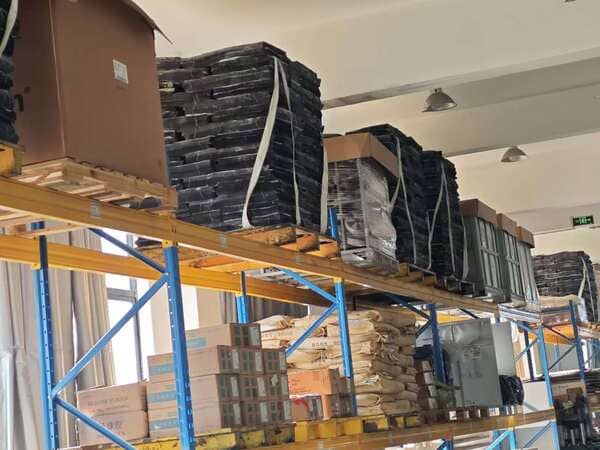
Artificial rubber, also known as synthetic rubber, is a man-made elastomer that replicates the properties of natural rubber but offers various advantages in terms of cost, durability, and customization. The polymers used in artificial rubber formulations play a key role in defining its properties, making it suitable for different industrial applications. Artificial rubber In this […]
What is the Formulation of EPDM Compound?

EPDM (Ethylene Propylene Diene Monomer) is a type of synthetic rubber widely used for its excellent resistance to heat, ozone, and weathering. Its formulation is critical for ensuring its performance in various industrial applications, such as automotive seals, roofing, electrical insulation, and more. The formulation of EPDM compound involves mixing the base polymer with a […]
What is Natural Rubber Compounding Formulation?

Natural rubber compounding is the process of mixing various ingredients with natural rubber to enhance its performance and suitability for specific applications. The purpose of rubber compounding1 is to modify the base rubber’s properties, such as its durability, elasticity, heat resistance, and other physical characteristics, making it more suitable for industrial use. The key to […]
How to Devulcanize Rubber?

Devulcanization is the process of reversing the vulcanization of rubber. This is an important process in the recycling of rubber materials, especially used tires, which are a major source of waste. By breaking down the cross-linked molecular structure formed during vulcanization, devulcanization allows rubber to be reused and repurposed. The primary challenge in devulcanization is […]
What Was the Biggest Problem with Making Synthetic Rubber?

When considering the use of synthetic rubber1 in manufacturing, you might wonder about the potential challenges associated with its production. While synthetic rubber provides numerous benefits like durability and chemical resistance, its manufacturing process isn’t without significant hurdles. The biggest problem in synthetic rubber production is its heavy reliance on petroleum-based raw materials, resulting in […]
What Is Vulcanized Rubber Used For?

Vulcanized rubber is a cornerstone material in a variety of industries, from automotive to manufacturing. Its unique properties make it an essential material for durable, high-performance products. Vulcanized rubber is used in many applications, such as Car tires, industrial seals, and gaskets, because of its increased strength, elasticity, and heat resistance. Understanding its applications and […]
What is the Use of Rubber Bumpers?

Rubber bumpers are often overlooked but serve a critical role in many applications, from protecting machinery to reducing noise and absorbing shock. Understanding their use in detail can help you choose the right bumper for your needs. Rubber bumpers are designed to prevent damage by absorbing impact, reduce vibration, and minimize noise. They are essential […]
What is the Purpose of Rubber Grommets?

Rubber grommets are often overlooked components, yet they play a critical role in protecting both materials and users from potential damage. But what is the purpose of these humble little rings, and why are they so important? Rubber grommets are used to reinforce holes, protect materials from wear and tear, and insulate cables or wires. […]
What are rubber plugs used for?

A wrong rubber plug can leak, loosen, burn, or contaminate a product. Many buyers treat plugs as simple hole fillers. Rubber plugs are used for sealing, masking, protection, insulation, and temporary closure in industrial parts, equipment, painting, plating, testing, and transportation. rubber plugs used for industrial sealing masking and protection In my work at Julong […]
What are the Disadvantages of Butyl Rubber?

Butyl rubber is a versatile synthetic elastomer widely used in industries ranging from automotive to medical applications. Despite its remarkable properties like low gas permeability, excellent weather resistance, and chemical stability, butyl rubber does come with some disadvantages that can limit its use in specific applications. What is the Meaning of Butyl Rubber? Butyl rubber, […]


